A rip current is a narrow, fast-moving channel of water flowing from the shore out to sea. It is the leading cause of beach drownings worldwide and puts many swimmers in danger every year.
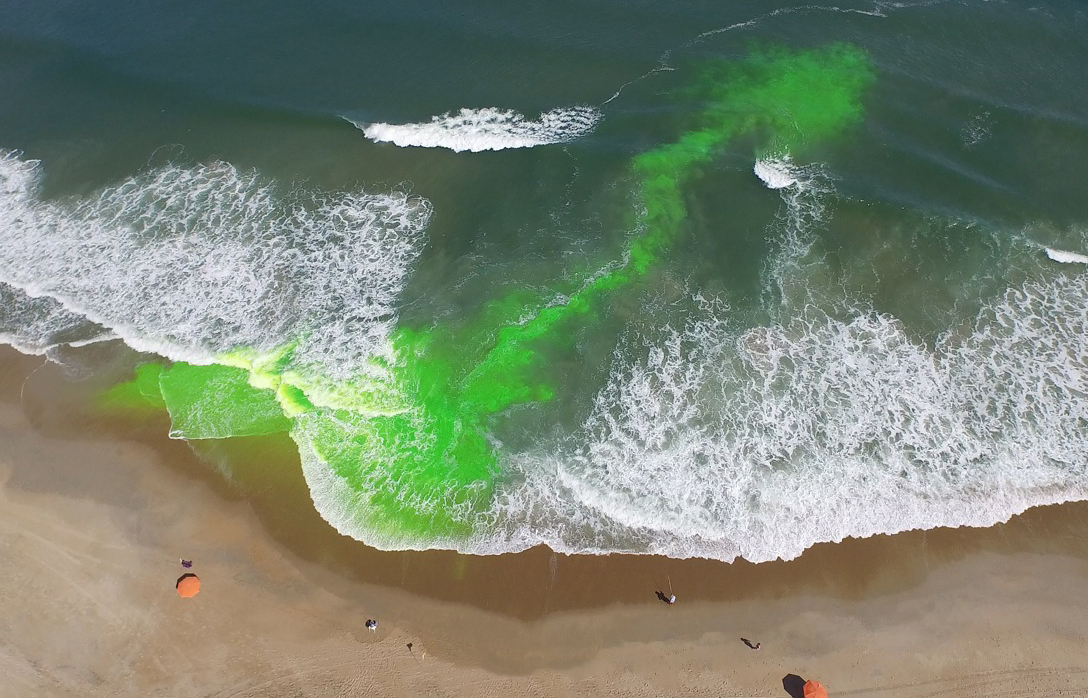
Speed and danger
Rip currents can flow at up to 13 km/h (8 mph) — far faster than most people can swim. Once caught in one, a swimmer struggles to head straight back to shore and can quickly panic and tire, which raises the risk of drowning.
Rip currents are most common in summer, especially at low tide, when the outgoing tide strengthens the flow and makes the current stronger.
How rip currents form
After waves push water toward the shore, that water needs a path back out. When the flow concentrates through a gap in the seabed or between two sandbars, it forms a strong channel heading out to sea.
How to spot a rip current
- A stretch of water that is darker than the surrounding area, meaning it is deeper
- A relatively calm band on the surface with fewer breaking waves
- Foam, seaweed, or sediment drifting steadily out to sea
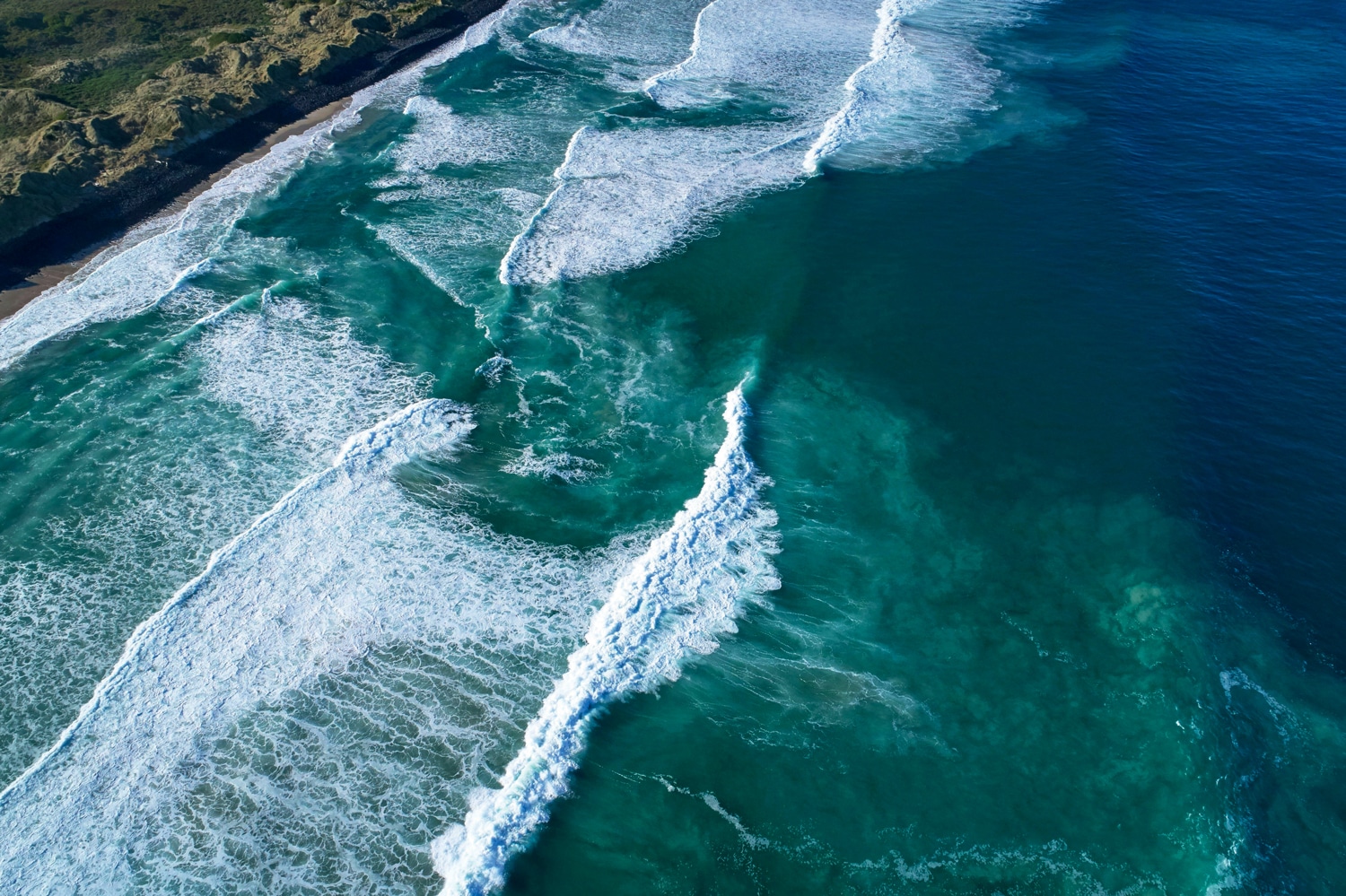
A rip current usually appears as a narrow channel about 10 to 30 meters wide and up to several hundred meters long. They typically form in the middle or to the sides of a beach, especially where there are sandbars, shoals, or reefs.
Why rip currents are dangerous
Rip currents can flow at up to 8 mph (about 13 km/h), far faster than most people can swim. Once caught, a swimmer struggles to get straight back to shore and can panic and tire, raising the risk of drowning.
Rip currents are the leading cause of beach drownings worldwide. According to the U.S. National Oceanic and Atmospheric Administration (NOAA), rip currents cause about 100 deaths and thousands of rescues every year.
Where rip currents commonly occur
Rip currents can form on any beach with breaking waves, but they are more common in these places:
- Beaches with sandbars or shoals
- Beaches with river mouths or bays
- Beaches with reefs or piers
In China, common rip-current locations include:
- Shanwei and Shili Silver Beach (Guangdong Province)
- Around Xiamen's Island Ring Road and Changle, Fuzhou (Fujian Province)
- Dadonghai and Clearwater Bay (Hainan Province)
What to do if you are caught in a rip current
- Stay calm and avoid panicking
- Don't try to swim straight back to shore — it wastes too much energy
- Swim with the current, then move to the sides to find the edge of the rip
- If you can't escape it, keep floating and wait for rescue
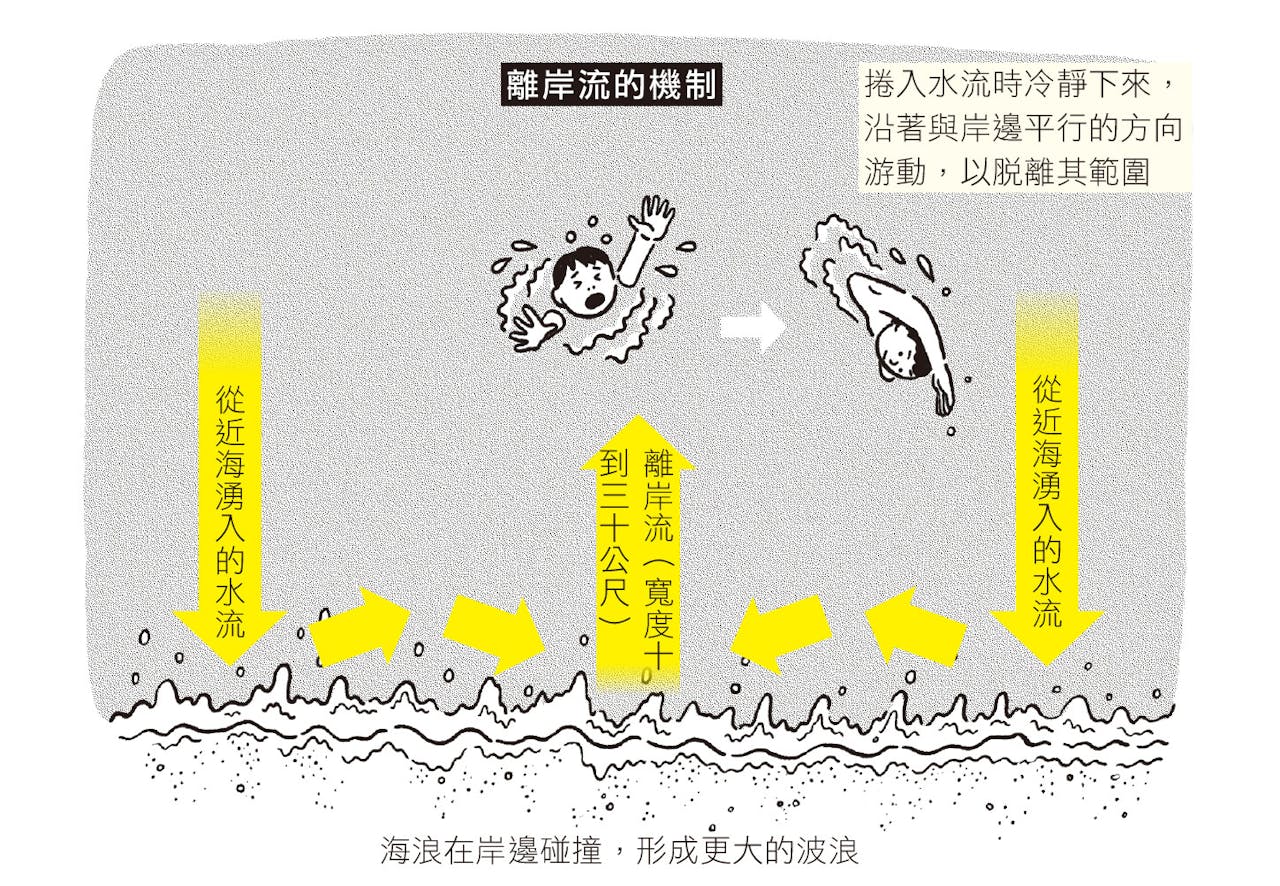
Image: Osamu Haneda, "This Could Kill You!" (49 risk-avoidance tips for outdoor activities); translator: Zhong Yaxi.
If you see someone caught in a rip current, call for help immediately and find a lifeguard. Don't try to swim out and rescue them yourself — that can put even more people at risk.
← Home