Know the dangers of the sea and how to protect yourself

42,000+ drowning deaths in China (2023)
1/3 of drowning deaths are children (2023)
100% of drownings are preventable

Rip Currents

Rip current

A rip current is a strong, narrow flow of water moving away from shore β€” the leading cause of beach drownings.

660 surf-zone drowning deaths (2010–2019)
Low rip-current awareness among beachgoers in southern China

How to escape a rip current

  1. Stay calm; don't fight the current
  2. Swim parallel to the shore to get out of the current
  3. Once free of the current, swim back toward shore
  4. If you're exhausted, float and call for help
Learn more β†’

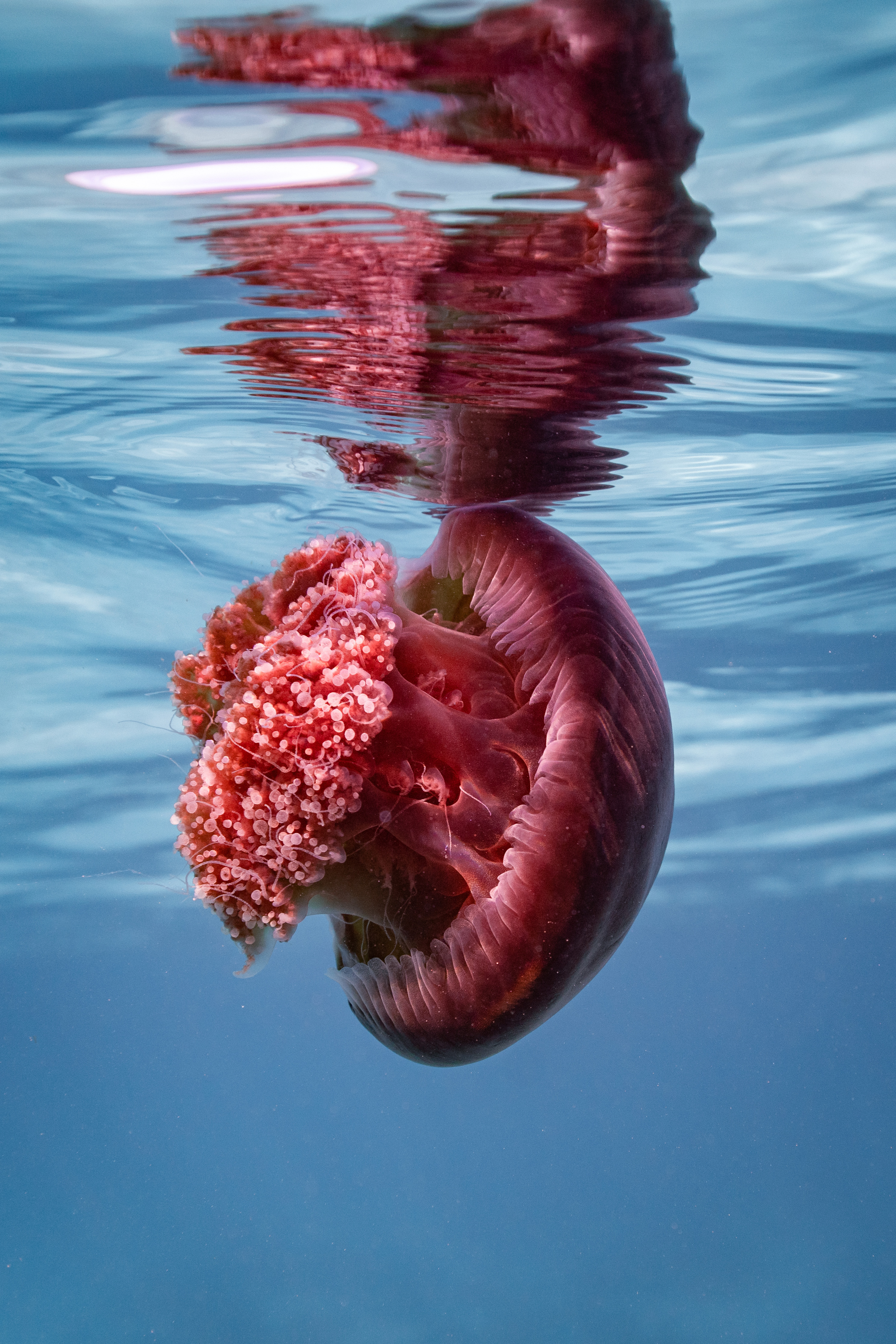
Jellyfish

Jellyfish

Jellyfish stings are the most common marine-life injury on China's beaches, accounting for over 60% of all marine-life injuries.

60.81% jellyfish stings' share of marine-life injuries
150 million jellyfish stings worldwide each year

What to do after a jellyfish sting

  1. Get out of the water immediately
  2. Don't touch the stung area with bare hands
  3. Rinse with seawater, not fresh water
  4. Scrape off any remaining tentacles with a card
  5. If breathing difficulty or a severe allergic reaction occurs, seek medical care immediately
Learn more β†’

Safety Guide

Safety guide
#120 China emergency number
#12395 maritime rescue hotline

Before you go in

  1. Only swim at beaches with lifeguards
  2. Check the day's sea conditions and weather forecast
  3. Children must be accompanied by an adult at all times
  4. Tell someone your swimming plans

While in the water

  1. Don't swim alone
  2. Watch the flag signals β€” a red flag means danger
  3. Don't swim when tired or after drinking alcohol
  4. Watch your footing; avoid stepping on jellyfish or sea urchins
Learn more β†’